Han Wang
Co-Founder
Share this article
Han Wang
Co-Founder
Share this article
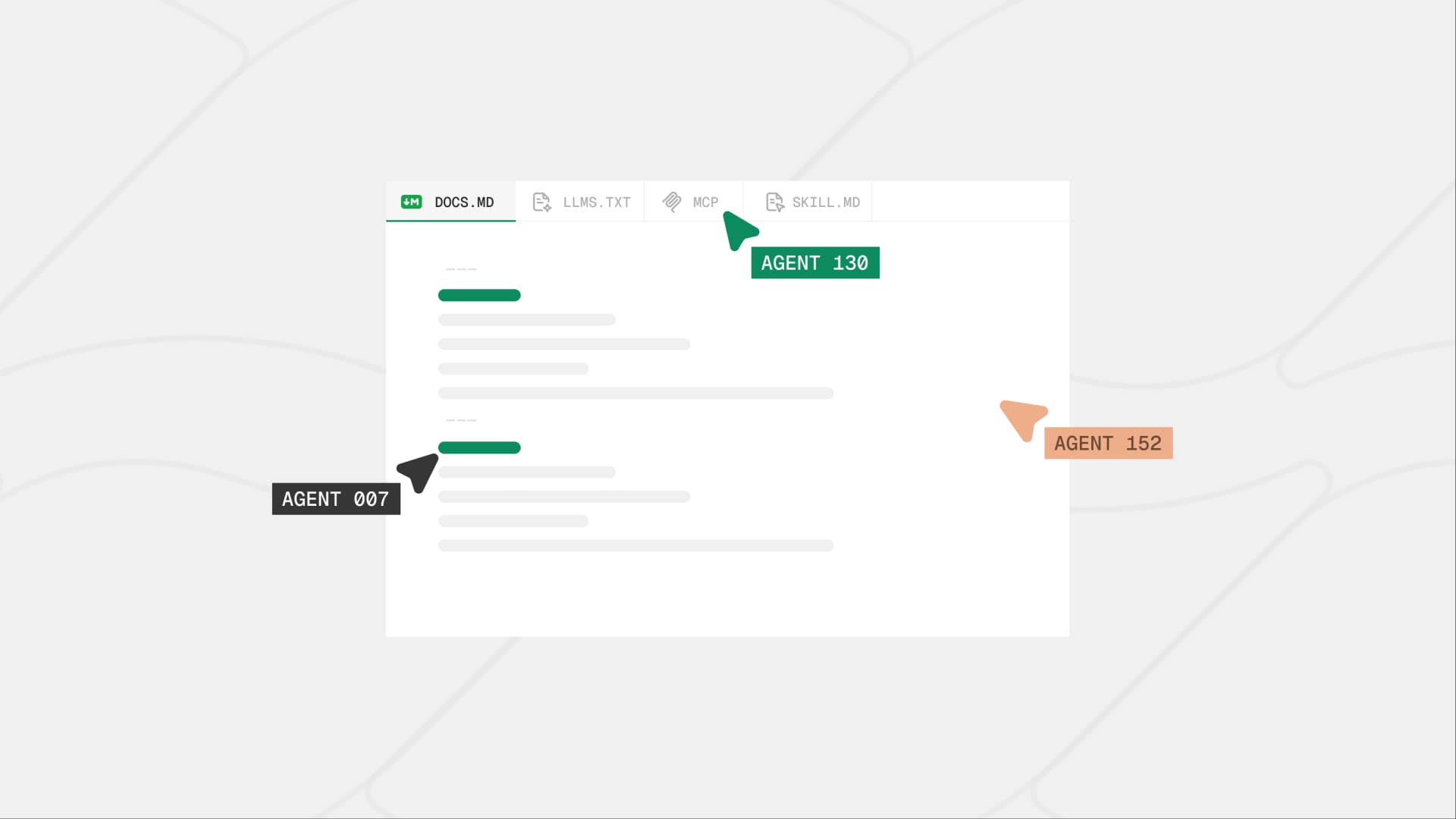
Companies are investing real engineering time building CLIs and machine-readable endpoints for AI agents--proof that the agent experience is becoming as important as the developer experience. Your documentation should be built with that same conviction.
Something interesting is happening in developer tools right now. Teams are shipping CLIs, not for their users, but for AI agents. They're building command-line interfaces specifically so that coding assistants and autonomous agents can interact with their products programmatically. This means companies are investing real engineering time to build a dedicated surface for machines to understand and use their product.
But most of these teams already have an instruction manual for their product--their documentation.
The problem is that their docs are optimized for a human browsing a website. They're full of HTML, JavaScript, navigation chrome, and visual formatting that a person needs but an AI agent doesn't. It's like handing someone an instruction manual written in a language they don't speak, referencing tools they don't have. The instructions exist, but they weren't intended for the person trying to use them. And the results of following them will show it.
AI agents, coding assistants, chat interfaces, and autonomous research tools are now a significant and growing share of documentation traffic. They're reading your docs to evaluate your product, answer developer questions, and decide whether to recommend you.
Documentation is no longer just a resource for humans. It's the primary interface through which AI understands your product.
Your docs are already being consumed by machines
Think about how a developer uses Cursor, Claude, or GitHub Copilot today. They don't leave their IDE to read your docs. They ask their AI assistant a question, and the assistant goes and finds the answer. This often happens by querying your documentation through an MCP server, parsing your llms.txt file, or pulling structured Markdown directly from your site.
This means your documentation is doing double duty. It has to be clear and navigable for humans browsing your site, but the most important thing is that it has to be structured, complete, and machine-parseable for AI systems consuming it programmatically.
Most documentation platforms were built for the first job, but almost none were built for both.
The layers of an AI-readable docs stack
If documentation is now an AI interface, what does a well-designed one look like? There are three layers, and most teams are missing at least two of them.
Layer 1: Structured content as Markdown AI systems don't want your HTML, your JavaScript, or your navigation chrome. They want clean, structured text. Every page on your site should be available as Markdown--not as an afterthought export, but as a first-class output. This is how AI tools process your content faster and use fewer tokens, which directly affects how well they can reason about your product.
Layer 2: A machine-readable directory The llms.txt standard is the sitemap of the AI era. It's a plain Markdown file at your site's root that lists your pages with descriptions, so AI systems know what content exists and where to find it. Think of it as the table of contents that agents read before they start searching. Without it, AI tools are guessing. The companion file, llms-full.txt, goes further by combining your entire documentation site into a single file that an AI tool can ingest as context.
Layer 3: A live query interface This is where MCP comes in. An MCP server gives AI tools the ability to search your documentation in real time, as part of their generation process. When a developer asks their coding assistant how to authenticate with your API, the assistant doesn't do a generic web search. It queries your MCP server, gets the current answer from your docs, and responds with accurate, up-to-date information. This is the difference between your product being understood correctly and being hallucinated about.
There's also an emerging fourth layer: skill.md, a structured file that tells AI agents not just what your documentation contains, but what they can do with your product--the capabilities, required inputs, and constraints. It's the difference between an agent that can find information and an agent that can take action.
Why this matters for your business, not just your developer experience
It's tempting to think of this as a developer tooling concern.
When an AI agent evaluates whether to recommend your product, it's doing a form of sales qualification. It's checking whether your API can handle the use case, whether the authentication flow is straightforward, whether there are SDKs in the right languages. If your docs are incomplete, poorly structured, or invisible to AI systems, you lose that evaluation without ever knowing it happened.
This is especially true in enterprise buying cycles, where technical evaluation increasingly happens through AI-assisted research. A VP of Engineering asks Claude to compare three API platforms. Claude pulls documentation from each one. The product with the clearest, most complete, most AI-accessible docs wins the recommendation. No sales call required.
Documentation quality has always correlated with developer adoption. What's new is that the bar for quality now includes machine readability. And the stakes are higher, because the evaluation happens faster, at scale, and often without any human reading your docs at all.
The gap between "docs platform" and "knowledge infrastructure"
Most documentation platforms were built around a simple workflow: write content, style it, publish it to a website. That workflow still matters, but it's no longer sufficient.
What the AI era demands is knowledge infrastructure. This is a system that makes your product knowledge available everywhere it needs to be consumed. On your docs site, yes. But also inside coding assistants, through MCP servers, via llms.txt files, as structured Markdown exports, and through whatever new AI interface emerges next year.
This is a fundamentally different architecture than a static site generator with a nice theme. It requires your documentation platform to understand that the website is just one of many surfaces where your content will be consumed, and possibly not even the most important one.
What to do this quarter
If you're responsible for documentation at a developer tools company, here's what I'd prioritize:
Audit your AI readability. Append /llms.txt to your docs URL. If nothing loads, AI tools have no structured way to index your site. Append .md to any page URL. If you get raw HTML instead of clean Markdown, AI tools are paying a token tax every time they read your content.
Ship an MCP server. All three major cloud providers have done this. If your competitors have an MCP server and you don't, their documentation is accessible inside AI tools and yours isn't. That's a distribution disadvantage that compounds over time.
Think about docs as a GTM channel. Your documentation is the highest-intent surface in your marketing funnel. Someone reading your API reference is further down the funnel than someone reading your blog. Now multiply that by the number of AI agents making that evaluation and invest accordingly.
Measure AI traffic. If you can't distinguish between human and AI traffic to your docs, you're flying blind on one of the fastest-growing channels for product discovery. Understand how AI systems are consuming your content and where they're hitting dead ends.
The punchline
For the last twenty years, documentation has been treated as a cost center--something you maintain because you have to, not because it drives growth. That era is ending.
In a world where AI agents are the first evaluators of your product, documentation becomes your most important go-to-market surface. It's the interface through which both humans and machines understand what you've built, how it works, and whether it's worth using.
The companies that recognize this shift early will have a structural advantage. Not because they write better docs (though they will), but because they build the infrastructure to make their knowledge available to every AI system that matters.
More blog posts to read
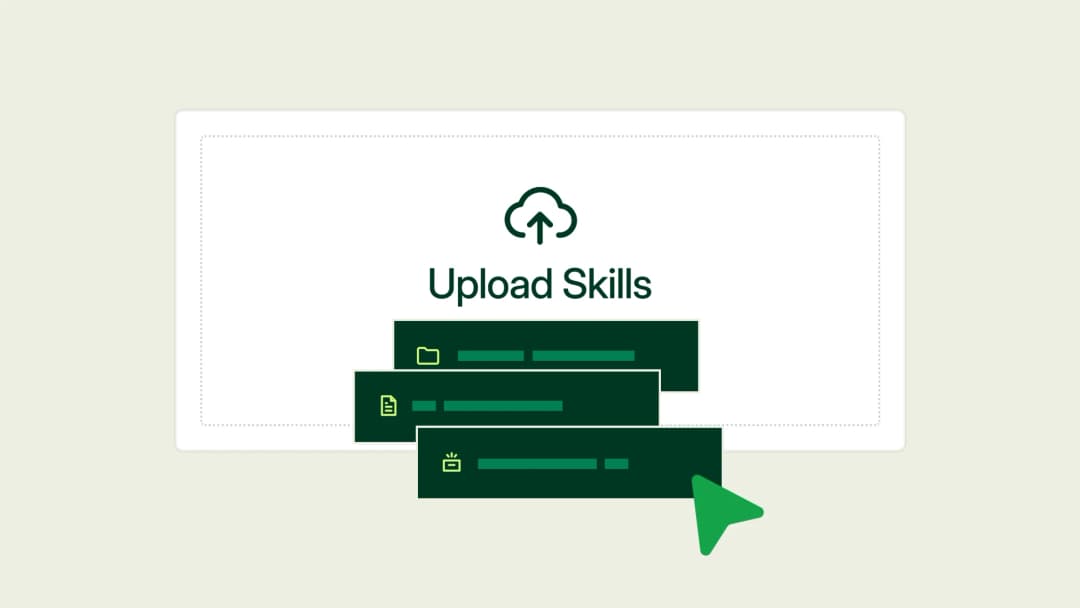
Bring your own skills to the Mintlify agent
You can now upload custom skills to the agent in the web editor. Give it your style guide, review checklist, or page templates once, and it uses them whenever a task calls for them.
October 23, 2026David Isquick
Product Marketing
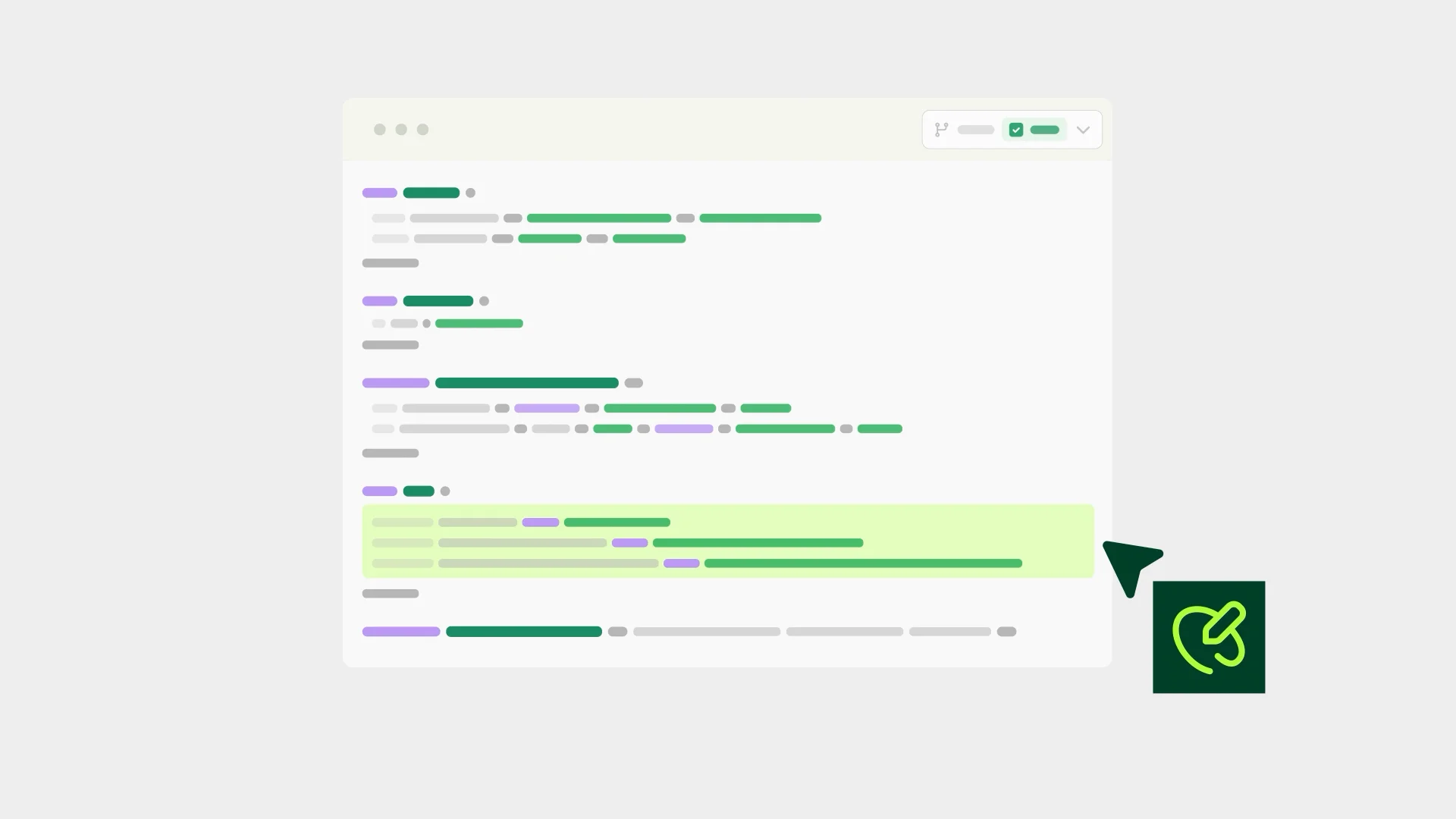
Autopilot: Always-on agent for self-updating docs
Autopilot is an always-on agent that reads your code and the context around it, drafts doc updates when something changes, and opens a pull request for your review.
October 20, 2026David Isquick
Product Marketing