Harkirat Chahal
Growth
Share this article
Harkirat Chahal
Growth
Share this article
Do you know what share of your documentation traffic is already AI agents? Most teams are aware their docs now have a second audience. But far fewer have done anything about it.
In this year's State of Knowledge Report, 53% of respondents say their company knowledge lives across five or more surfaces, including community forums, changelogs, customer portals, and more. Asked how many of those surfaces have been optimized for agents to access and read, 16% answer "only our documentation." Meanwhile, another 18% say "none" or "not sure." Just 7% say all of them.
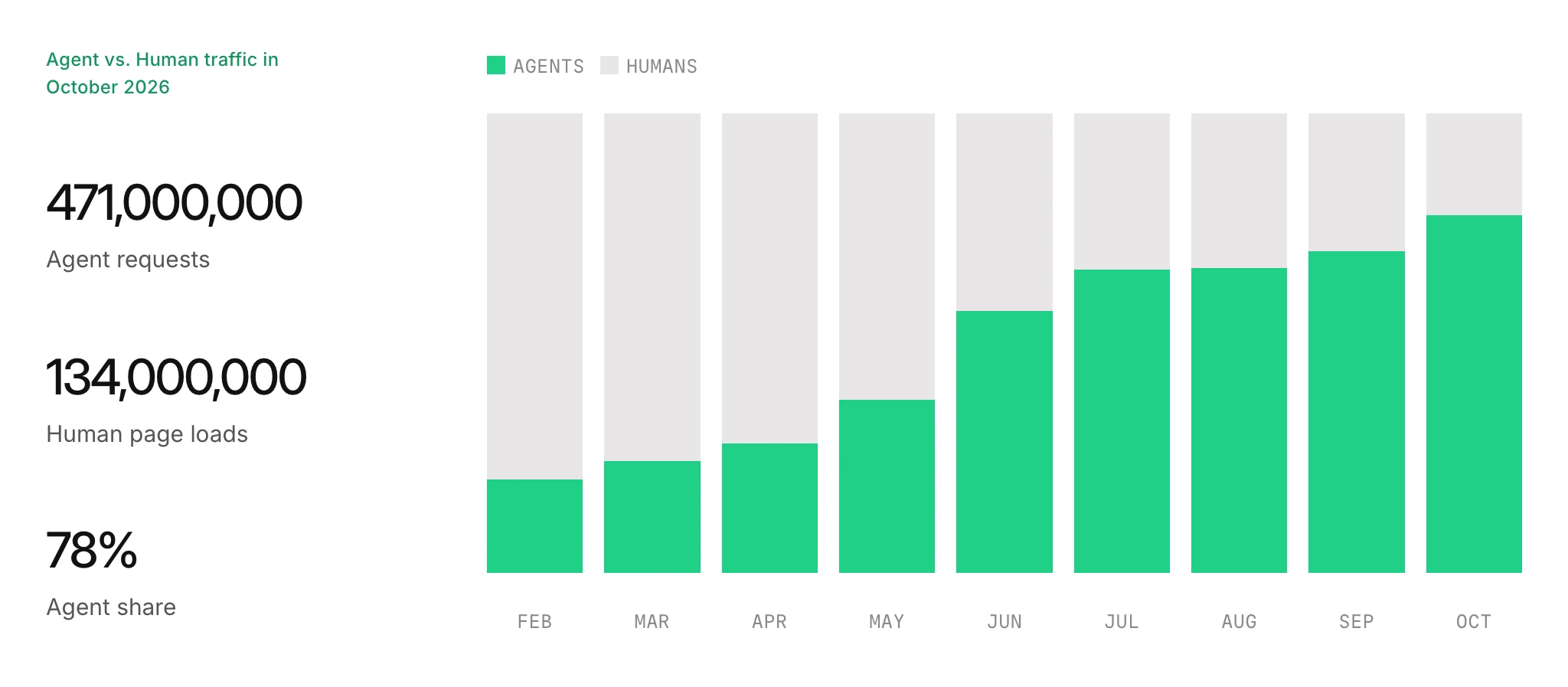
In October 2026, agents made 471 million requests across Mintlify-powered sites, against 134 million human page loads. That's 78% of all traffic, up from 21% in February.
An agent answering a question pulls from whatever it can get to. Content that looks fine to a person can be close to unreadable to an agent, and closing that distance takes infrastructure built for both audiences. Optimizing documentation is where the most immediate gains sit for most companies, so it's often where teams start. But only a fraction of what a company knows lives in its docs, so it can't be where they stop.
This playbook covers five companies across five different use cases. Four show what documentation can do when it's built for both humans and agents, not only to read but to write. The fifth shows what happens when a team keeps pushing and turns company knowledge into operational infrastructure the entire business runs on.
Play 01: Coinbase makes its documentation legible to agents
With 120 million users worldwide, Coinbase is the leading platform for buying, selling, and storing digital assets. Its Developer Platform (CDP) is how outside developers build onchain, which makes the CDP docs the place a developer decides whether to start at all.
- 6 weeks to a live, AI-native developer experience
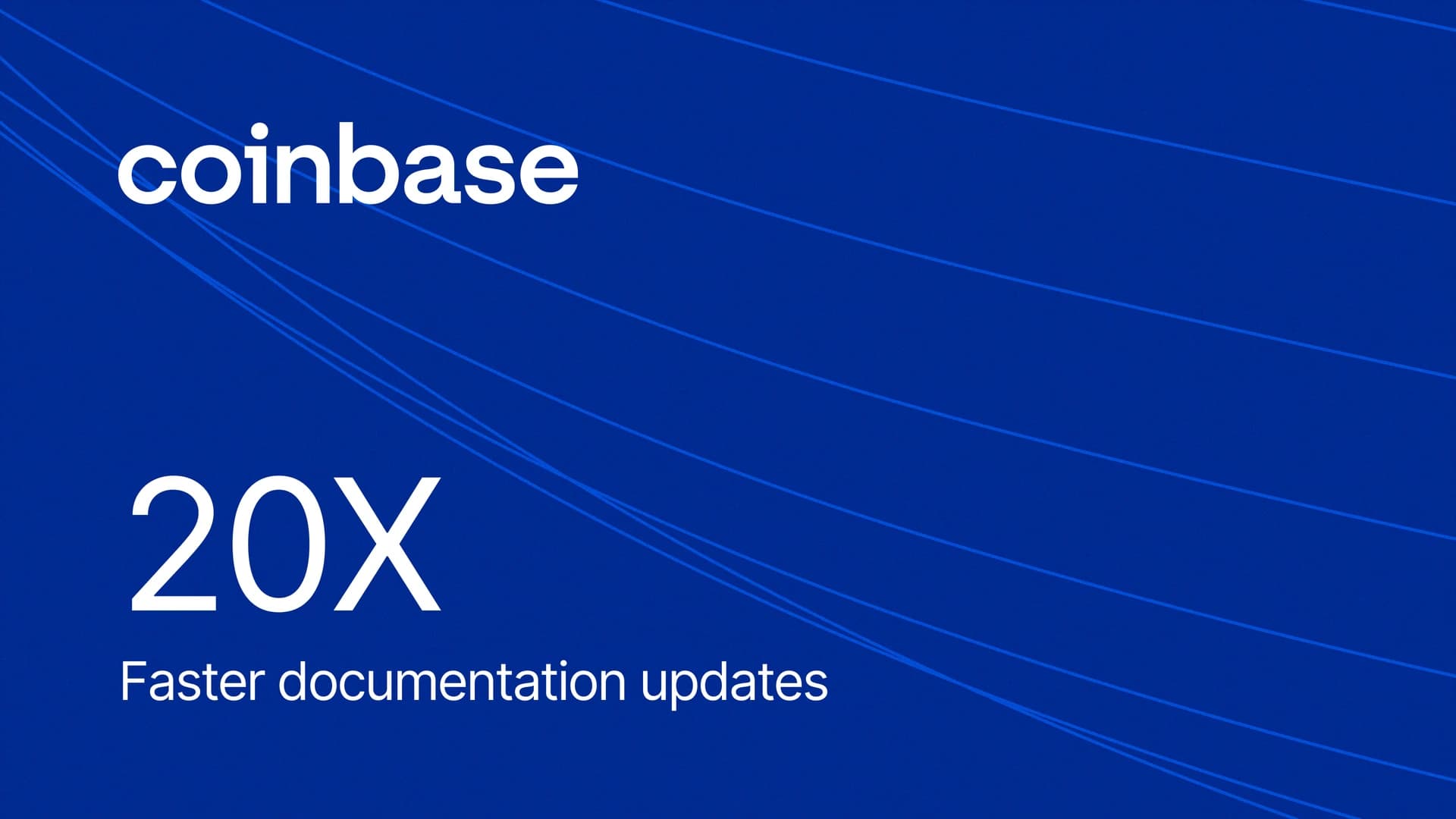
- 20x faster documentation updates
- 59% of CDP docs traffic coming from agents
- $152K in estimated support savings YTD
The problem. CDP's docs sat on a static site generator with no answer for the AI tools its developer community had already adopted. Coinbase wanted a documentation experience that worked for people and agents alike, and it didn't want to spend engineering cycles building one.
The play. Rather than take on months of engineering work, Coinbase brought in Mintlify and had the new experience in production just six weeks later. Markdown exports went on every page, an auto-generated llms.txt indexed the site for LLMs, and an MCP server opened the docs to direct agent queries. Since launch, agents have logged more than 30,000 MCP tool calls, and the Mintlify assistant has fielded ~45,000 queries.
The payoff. The publishing bottleneck went first. An update that used to take more than 20 minutes now takes under 60 seconds, which matters when onchain protocols shift constantly. Across nearly 800 pushes to main, that's roughly 200 hours of contributor time saved, worth an estimated $15K-$20K. Support felt it next. At a conservative 15% deflection rate and $25 per ticket, the AI assistant has saved an estimated $152,000 this year. Last but not least, 98% of sessions now start somewhere other than the docs homepage, so developers land directly on the page they need.
AI-native docs are essential when you're building with tools like MCP and x402. Mintlify helps us deliver a developer experience at Coinbase that feels as agentic as the protocols we're shipping.
– Kevin Leffew
AI GTM Lead, Coinbase
Play 02: Anthropic promotes agents from readers to writers
Anthropic builds the Claude models a generation of developers now writes software with. Claude Code's documentation is the reference for that work, read by developers and, increasingly, the agents working on their behalf.
- 3 weeks from signed contract to launch
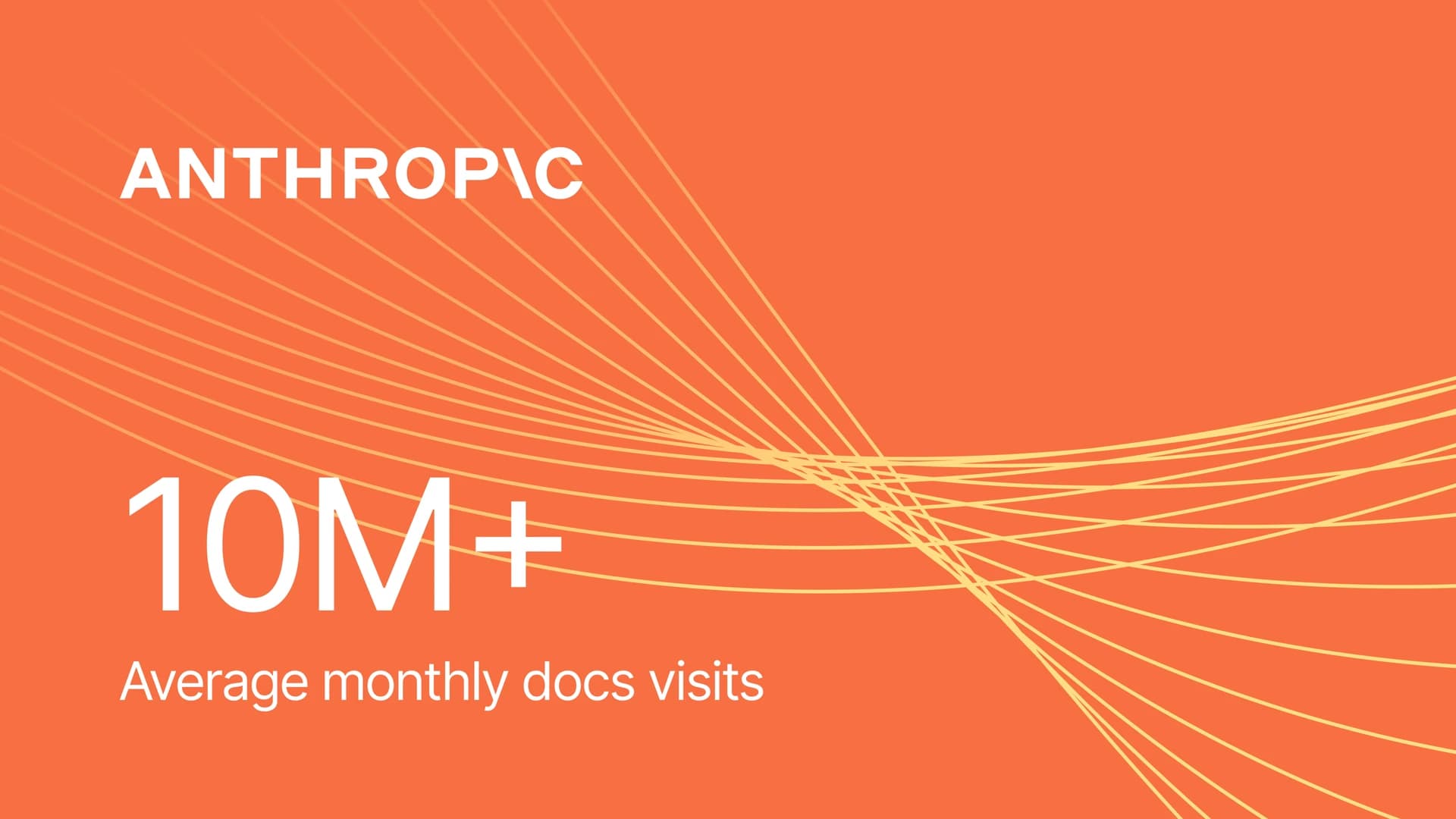
- 10M+ average monthly docs visits
- 1 writer managing all Claude Code docs
- 3K+ documentation pages
The problem. Claude Code ships daily and grows fast, and its documentation had to move at the same rate without turning engineers into platform maintainers. Rather than build its own AI-native documentation layer, Anthropic chose Mintlify.
The play. The new experience went live in three weeks, and then the team built on top of it. Every few hours, scheduled jobs use the Mintlify analytics API to pull in page feedback, broken code-sample reports, and user comments. An agent triages those signals alongside Slack mentions and GitHub issues from the open-source Claude Code repo, separates the noise from real gaps, and drafts the fix. Sourcing the feedback, spotting what's missing, and writing the first version are all automated. Sarah Deaton, Anthropic's technical content engineer for Claude Code, reviews and merges.
The payoff. Today, one writer is able to manage 3,000+ pages of Claude Code documentation that draw more than 10 million visits a month. The loop is what makes that ratio work: gaps surface on their own, and the first draft of the fix is already waiting. What's more, some of what surfaces isn't a documentation problem at all, so rather than write a workaround, Sarah can take the fix straight to the product team.
I'm able to submit a PR to fix the actual product. That short-circuits the loop of needing to document around a paper cut. You just fix the issue. Make it so that people don't even need to go to the documentation.
– Sarah Deaton
Technical Content Engineer, Anthropic
Play 03: Anaconda gets out of the infrastructure business
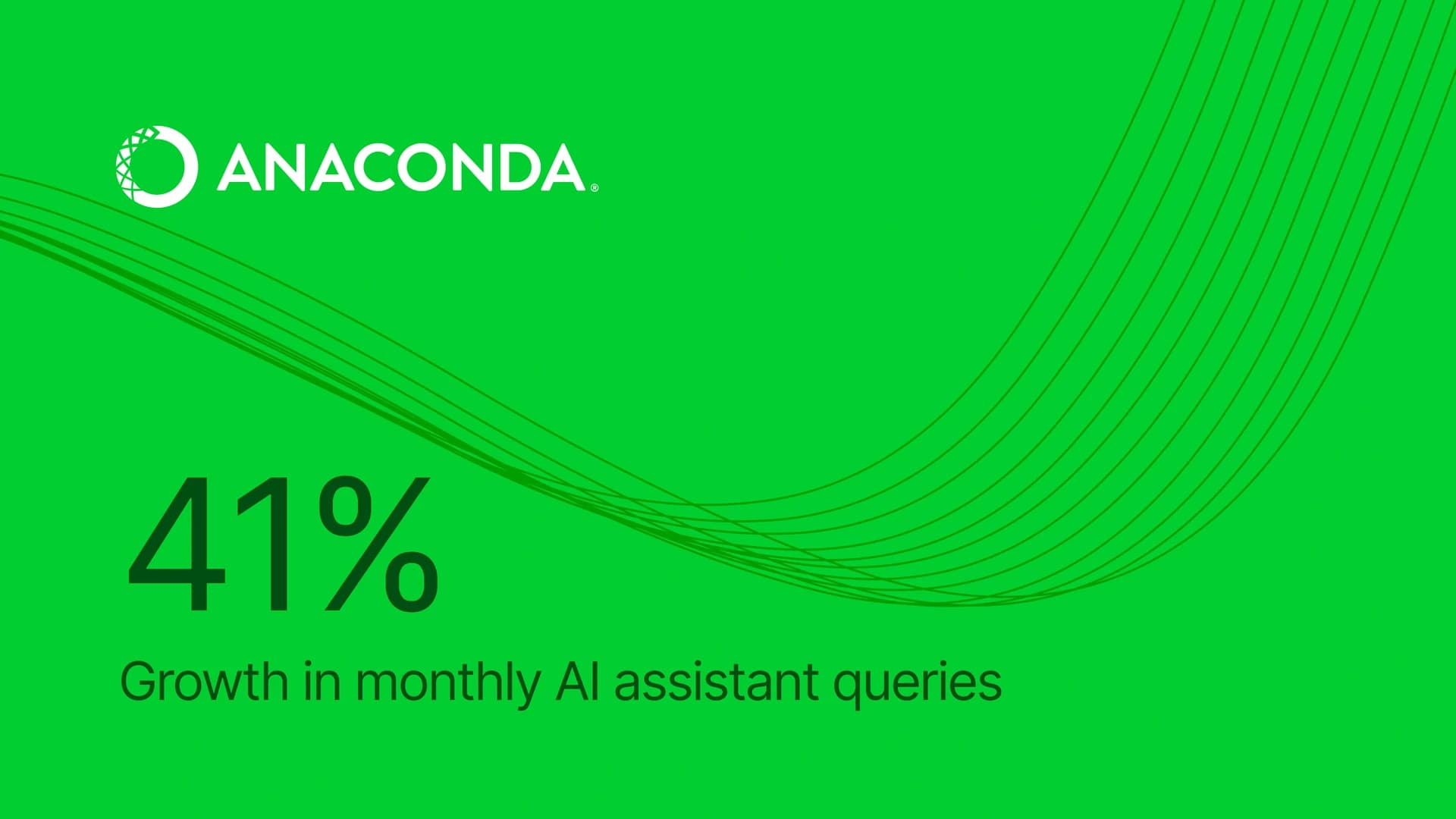
Fifty million developers and data scientists build with Python on Anaconda. When they're evaluating one of its tools, the documentation is often the first thing they turn to, which makes it part of how Anaconda wins users rather than just how it supports them.
- $200K in annual headcount cost savings
- 5x faster content publishing
- 41% growth in monthly AI assistant queries
- 48 hours per month time savings
The problem. Anaconda's docs ran on a toolchain the team had built itself. Builds broke constantly, costing roughly 48 hours a month in troubleshooting. Any change touching the whole site became its own project, and readers struggled to find what they needed. The writing team was spending its time and budget maintaining underlying infrastructure instead of writing content.
The play. Anaconda weighed hiring a docs engineer to keep its homegrown stack alive, or moving to a self-managed tool like Docusaurus, but ultimately chose Mintlify. The platform's git-based workflow preserved the docs-as-code process its writers already used, semantic search and MCP servers arrived built in, and the maintenance burden left with the old toolchain. No docs engineer to hire, no pipeline to own, no builds to debug.
The payoff. The broken builds stopped, and so did the 48 hours a month the team had been losing to them. Automated workflows now catch broken links and parse errors before readers see them, and publishing is 5x faster. The AI assistant answers about 6,500 questions a month, up 41% in a single quarter, saving the support team time to focus on more strategic accounts. Agents now surface Anaconda's docs to developers who may never have visited the site. Most importantly, the docs engineer Anaconda thought it needed was never hired. The team reallocated that headcount to its core platform and content, saving more than $200,000 a year.
Choosing Mintlify has allowed us to reallocate headcount that would have otherwise been dedicated to managing knowledge infrastructure to building our platform and improving our content, which is where it belongs.
– Idan Englander
Technical Writing Manager, Anaconda
Play 04: RV Tech serves three audiences from one secure platform
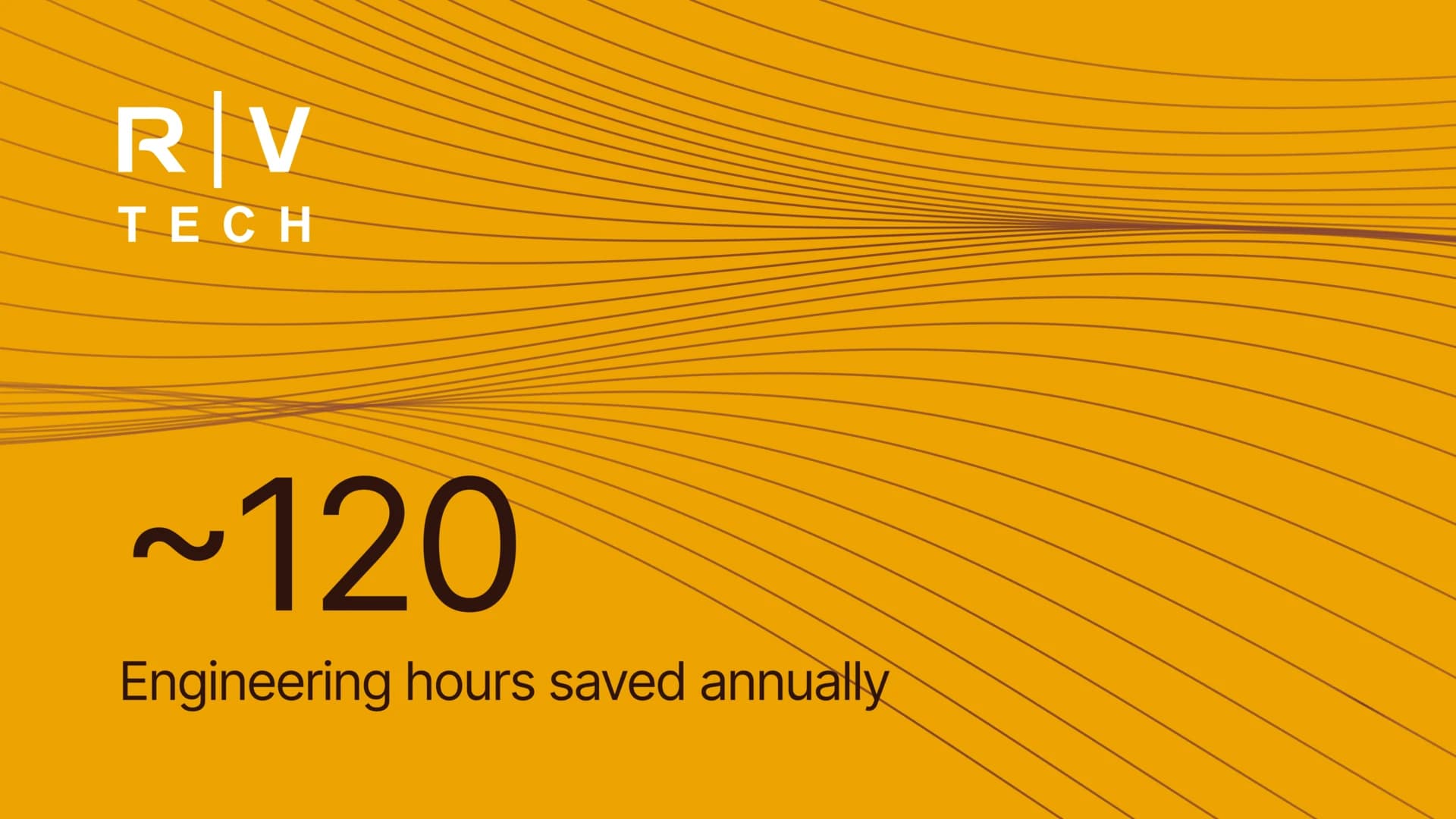
RV Tech is the joint venture between Rivian and Volkswagen Group, building a software platform designed to scale from thousands to millions of vehicles. Its documentation has to keep pace with that growth while meeting the strict regulatory and security requirements of the automotive industry.
- ~30 min to test-migrate existing MDX docs
- 3 deployments: internal, air-gapped, and external
- 4 eng teams publishing on one platform
- ~120 engineering hours saved annually
The problem. Core docs lived on a homegrown server built and maintained by one engineer, while each of RV Tech's 20+ engineering teams documented in its own tool, from Confluence to Jira to custom solutions. The codebase moved faster than a handful of technical writers could follow, so docs drifted with no way to catch it. And RV Tech had three audiences with very different access needs: its own engineers, external operational deployments, and the public. Its security requirements ruled out the standard authorization flows most docs platforms assume.
The play. A test migration of existing MDX docs took about 30 minutes, and the team consolidated onto Mintlify. Today it runs three separate instances (internal, air-gapped on-prem, and external), each with access control built for its audience. Public docs stay open, internal docs sit behind corporate SSO, and everything runs inside RV Tech's self-hosted, locked-down environment, connected to its existing GitLab pipeline and identity stack. On top of that foundation, the team is putting AI to work generating docs from GitLab commits and flagging drift before it ships.
The payoff. RV Tech's core docs no longer depend on one server and one person. Four engineering teams now publish on a single platform, saving roughly 120 engineering hours a year on tooling and maintenance. As AI takes on more of the documentation work, RV Tech can keep its writing team lean and its engineers focused on the vehicles, all without a single exception to its security model.
Most tools asked us to make an exception to our security model. Mintlify worked with our GitLab pipeline, our internal identity stack, and all three of our audiences without us having to compromise anything.
– Steve Westergaard
Sr. Manager, Vehicle and Fleet Management Applications, RV Tech
Play 05: Decagon establishes a source of truth across knowledge surfaces
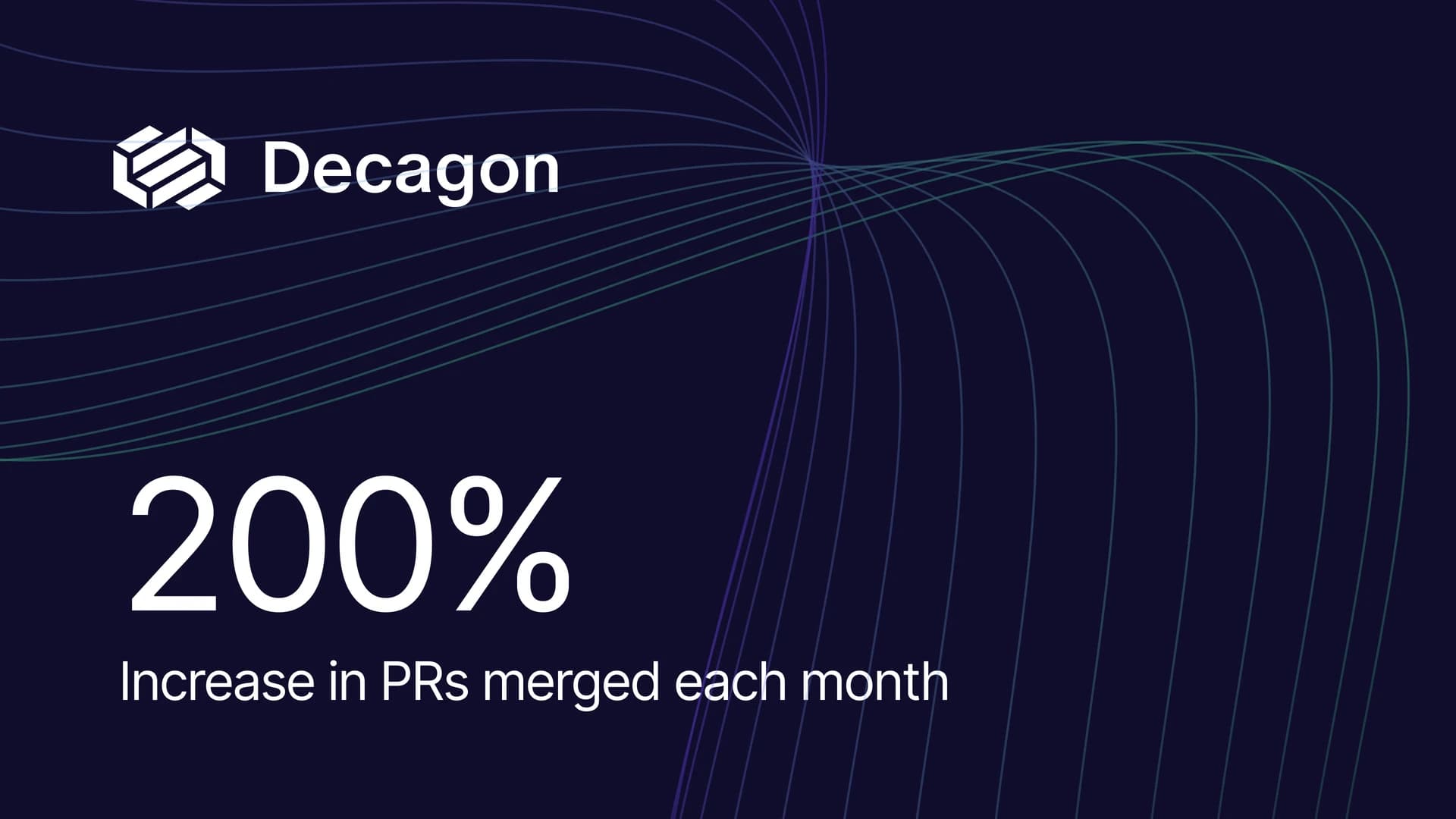
Decagon builds AI agents that resolve customer support conversations for major enterprises. Its in-product agent, Duet, answers customer questions from Decagon's own documentation, so any page that's missing or out of date may show up as a wrong answer in front of a customer.
- 95% of docs updates driven by automation
- 80% time savings reviewing vs writing docs
- 200% increase in PRs merged each month
- 10+ teams using internal docs agent
The problem. Keeping docs current at Decagon was a manual, ad hoc process with no clear owner. Duet had knowledge gaps that prevented it from answering certain customer questions. Internally it was the same story: best practices, processes, and lessons from real customer deployments were scattered across tools, so anyone asking Claude or Codex risked a stale or incomplete answer.
The play. Decagon made Mintlify its source of truth for product and internal knowledge. Because Mintlify is docs-as-code, that knowledge lives as markdown in a GitHub repo that agents can read and edit like any other codebase. So Decagon built its own agent on top, which watches for commits, product announcements in Slack, and other triggers that knowledge has changed, then drafts an update. Custom skills and an AGENTS.md file enforce Decagon's writing guidelines, while humans review and publish every change.
The payoff. Today, an estimated 95% of docs updates are automated, and Duet's knowledge coverage has greatly increased. The company's docs agent has since grown into a full internal product. It maintains both external-facing docs plus a second Mintlify deployment for internal knowledge, and 10+ teams across the company now use it to keep their own knowledge current. The same source of truth continues to extend across additional surfaces, regenerating product slides and powering PACT, an open industry protocol Decagon co-published on Mintlify.
Because Mintlify keeps everything as code, our source of truth isn't trapped in a documentation tool. We can build any form factor on top of it: docs, internal knowledge, now slides. It stops being documentation and starts being infrastructure the whole company runs on.
– David Hou
Product Education Lead, Decagon
Five problems, one foundation
Five companies, five different problems:
- Coinbase made its documentation legible to agents, and they showed up: 59% of its docs traffic now comes from AI.
- Anthropic put agents to work on its own docs, and one writer now runs all of Claude Code's documentation.
- Anaconda stopped paying to maintain a platform and put those resources toward empowering its developer community instead.
- RV Tech served three audiences from one platform without loosening its security model.
- Decagon extended the same system beyond documentation, into internal knowledge, product slides, and an open industry protocol.
None of these teams built the infrastructure. All of them built on it. And they're in good company: AT&T, Amazon, Microsoft, Spotify, HubSpot, X, Perplexity, Replit, and Lovable are among the 20,000+ companies that run their knowledge on Mintlify.
As Mintlify Co-founder and CEO Han Wang says, "Docs alone just don't cut it anymore. As agentic AI keeps advancing and does more work for people, we'll see more companies put knowledge infrastructure in place that makes content accessible to both humans and agents."
More blog posts to read
The Harness and Memory Architecture Behind Self-Updating Docs
How using fixed schema memory can improve agent performance at complex work.
October 30, 2026Patrick Foster
Software Engineer
Introducing Mintlify Base
Mintlify Base is now in beta. It's a workspace where people and agents work from the same specs, runbooks, and onboarding pages, kept current as your work changes.
October 29, 2026David Isquick
Product Marketing